

Início Avaliação da ocorrência de interações medicamentosas em pacientes com problemas cardiovasculares
24 (2026)

Avaliação da ocorrência de interações medicamentosas em pacientes com problemas cardiovasculares
Resumo:
The high demand for medication among the population is widely recognized. Although they have healing potential, the lay use of these drugs can cause harm, such as side effects and drug interactions, also highlighting their potential risk. Given the above, the objective of this study is to analyze the frequency of drug interactions in prescriptions for patients with cardiovascular diseases. This study seeks to highlight the importance of the pharmacist's role in the multidisciplinary hospital team, as well as to analyze possible drug interventions in this group. This is a retrospective, documentary study with a quantitative approach, conducted through the analysis of 80 medical records of patients hospitalized with cardiovascular diseases between August 5 and 28, 2012, in a public hospital. The results showed a high frequency of drug interactions, especially in patients with multiple prescribed drugs. Medications commonly used in the SUS (Brazilian Unified Health System) were identified among those most involved in the interactions. These findings reinforce the relevance of the clinical pharmacist's role in preventing risks and optimizing therapy.
Keywords: Interactions; Medications; Cardiovascular Diseases.
Expandir Resumo
Acessar Texto Completo
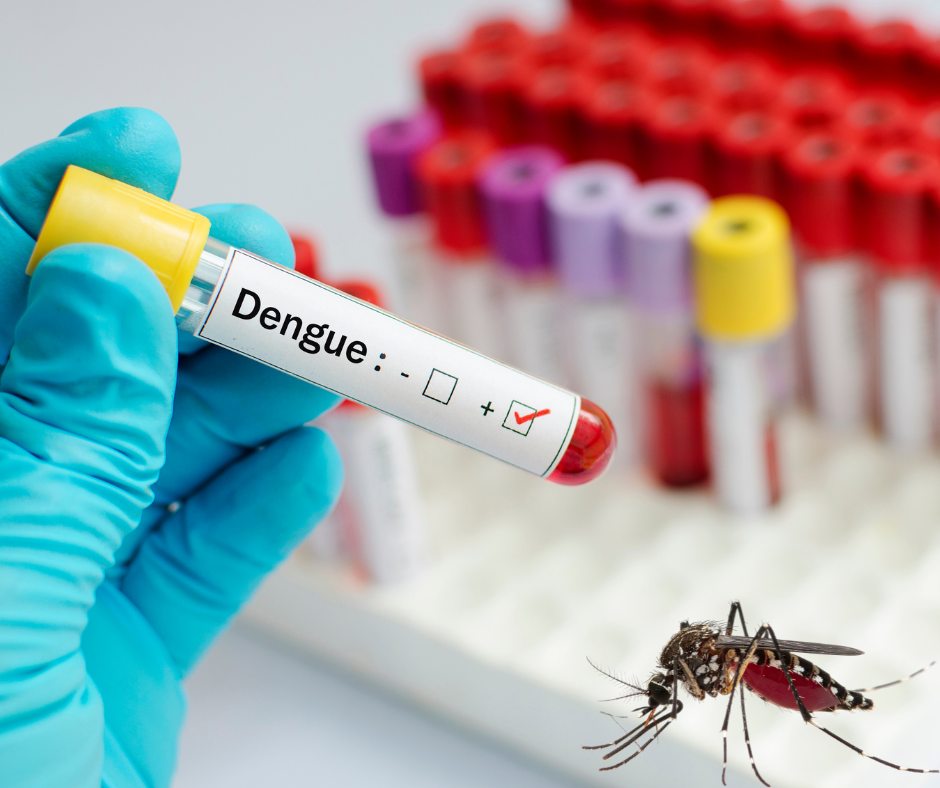
Farmacognosia e Produtos Naturais no Controle do Vetor da Dengue: Tendências Globais e Nacionais de Pesquisa sobre Plantas Medicinais
Resumo:
Introduction: Dengue is a prevalent disease in tropical and subtropical regions, characterized by high incidence and the risk of severe outbreaks. Controlling the mosquito Aedes aegypti, the disease vector, is essential to reduce its transmission. Natural substances with larvicidal activity have emerged as sustainable alternatives to synthetic insecticides, which pose environmental risks and resistance issues. In this context, pharmacognosy investigates bioactive compounds with larvicidal potential to develop effective and safe treatments. Objectives: This study conducted a bibliometric analysis of the scientific production on medicinal plants with larvicidal action against Aedes aegypti, the dengue vector, covering the period from 1998 to 2025. Materials and methods: Using the Scopus database and tools such as Bibliometrix, global and Brazilian trends were evaluated, identifying growth in publications, predominant research areas, and collaboration among authors. Results and dissemination: The bibliometric analysis revealed a significant increase in publications since 1998, with a marked rise in recent years. Journals such as Parasitology Research, Molecules, and Journal of Vector Borne Diseases stand out in the field, along with high-impact authors like Murugan Kadarkarai and Giovanni Benelli. Studies range from the use of essential oils to the biosynthesis of nanoparticles for vector control. Countries including India, Brazil, and China lead in publication volume, demonstrating established international collaboration. In Brazil, federal universities from the North, Northeast, and Southeast regions are prominent in this research. Conclusion: The scientific output emphasizes natural and sustainable alternatives for dengue control, supported by strong cooperation among authors, institutions, and countries.
Keywords: Dengue, Natural products, Antiviral activity, Vector control, Bibliometric analysis.
Expandir Resumo
Acessar Texto Completo